
Any interest in working on the biggest
irony in mental health?

My journey didn’t just inform this project—it reshaped how I understand the field. Through moments of challenge and clarity, I began examining long-held assumptions about how this work is structured and what is quietly expected of those who do it. Interwoven grew out of that inquiry. While rooted in personal experience, this work extends beyond individual healing. It is a shared effort to restore balance, protect energy, and explore more sustainable ways of caring for ourselves, one another, and the work we hold.
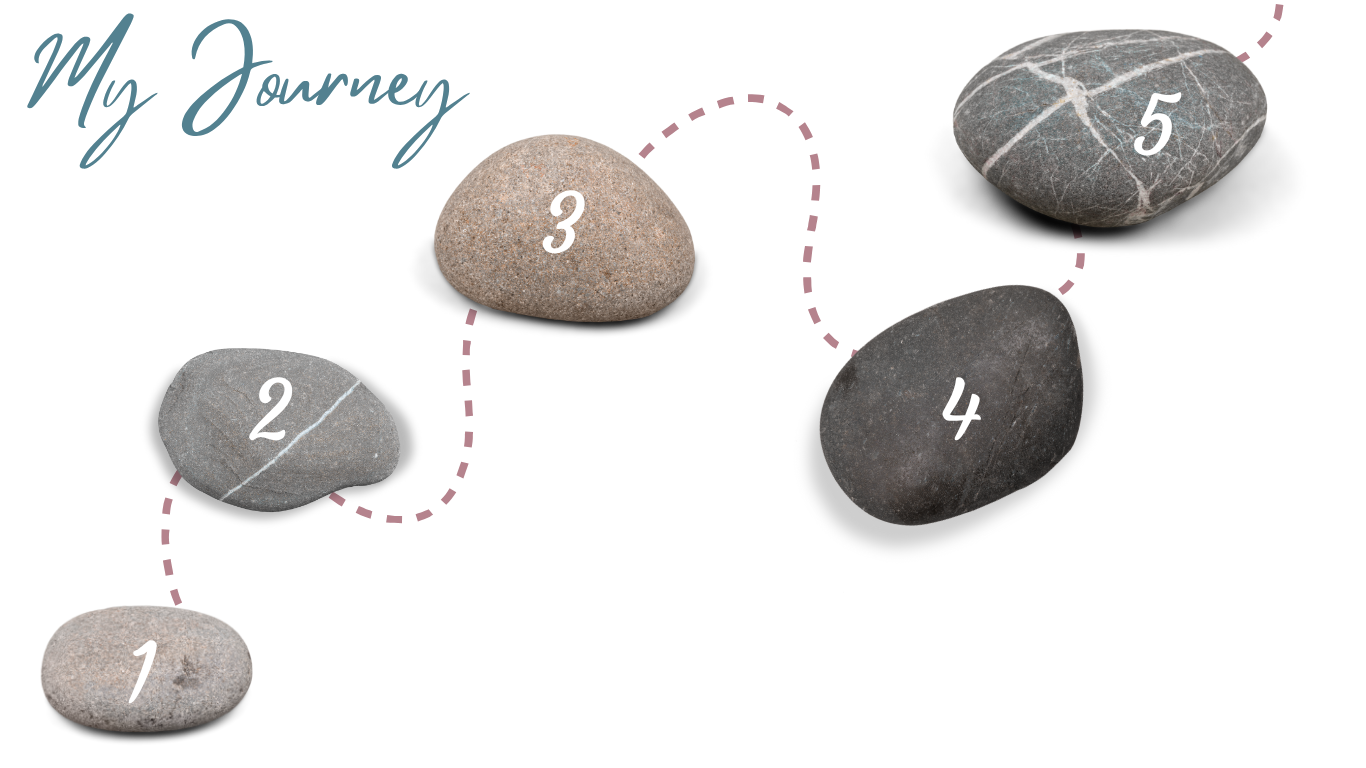
Hit the "+" signs below to learn about my journey and where Interwoven is headed. The first is a slideshow followed by four videos. I'm curious how they resonate with you.


Intentional Evolution
Interwoven is a community-based initiative designed to explore how care is experienced and supported within the mental health field. In collaboration with practitioners and partners, it seeks to identify supports that strengthen practitioner well-being and help foster balance and continuity in the care provided to those we serve.
This is your personal invitation to join me. Here is how you can get involved.
Step 1
Step 2
Step 3
Step 4
join an online or in person discussion group

Interwoven MHP Voices Forum
Interwoven MHP Voices Forum is a virtual, low-pressure forum for mental health practitioners to slow down and reflect together on the
Interwoven MHP Voices – New Member Introductory Meeting
In this 30-minute meeting, I’ll introduce you to Interwoven—what it is, why it’s emerging, and the kind of space it’s
Consider the following 4 questions. What comes up for you?

As a Mental Health Practitioner, what support do you feel is missing for you to fulfill your role in a meaningful and fulfilling way?

What challenges do you see facing the mental health field that leave you feeling concerned for the future?
What do you wish people entering into the mental health field would know about how things "really" work?
What would you love to see change in the field and why?

Welcome to Interwoven
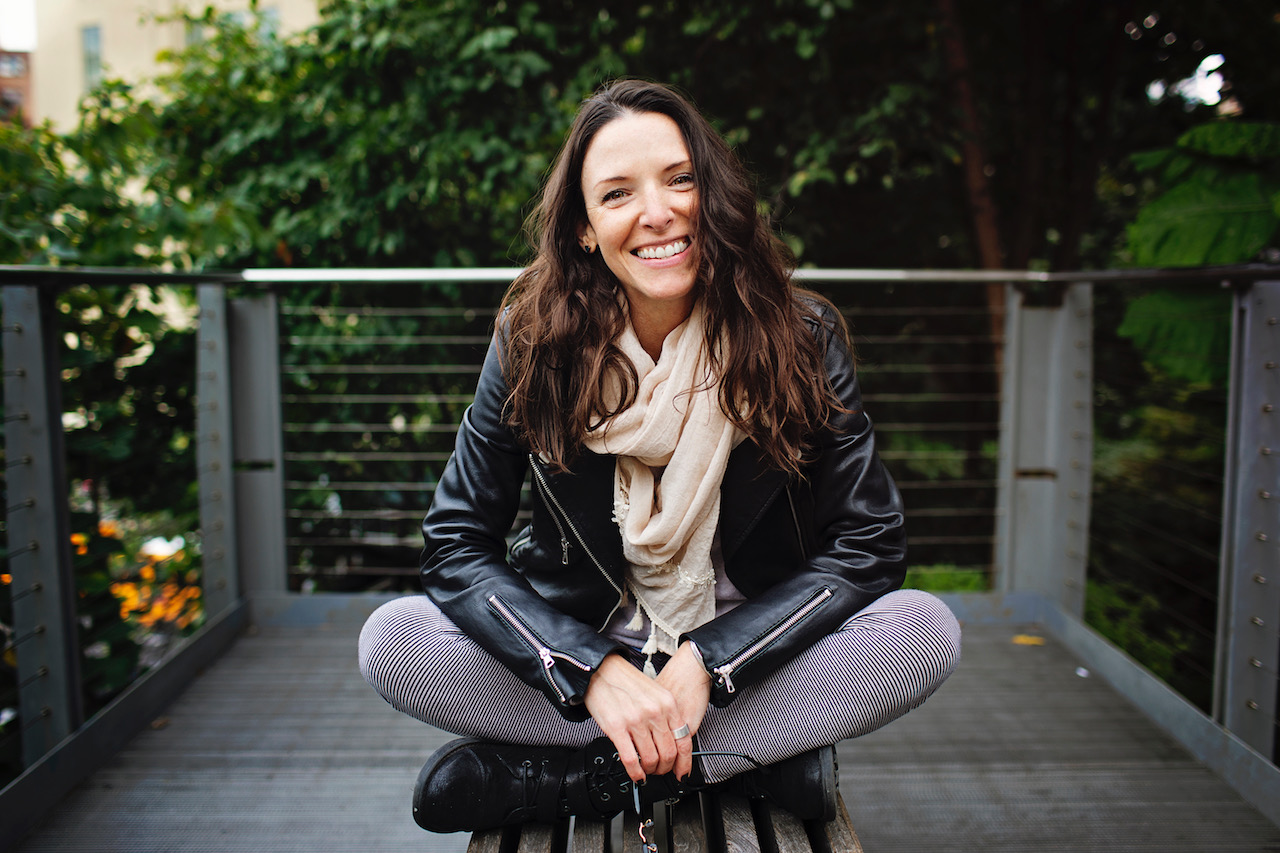
My Name is Melanie
Hiya! I’m Melanie, a Licensed Independent Social Worker. I graduated from the University of South Carolina in 2000 and spent most of my career working in community mental health. By 2008, I was completely depleted—exhausted, deeply sad, and frustrated by the quality of care I was able to provide. After just eight years in the field, I had to step away. It took me a year and a half to fully recover.
At the time, I was living in New York City and made a major shift into real estate—which, honestly, felt like a huge relief. All I had to do was help someone find an apartment. It was bliss.
But before long, I found myself missing the field and felt compelled to understand what had happened to me. As I began exploring the work of Christina Maslach, the pioneering researcher on burnout, I was stunned by what I discovered. Despite the significance of her research, hardly anyone I spoke with had ever heard of it. That discovery sparked something in me. I created a seminar based on her work, got it approved for national CEUs, and went on to present it to more than 3,000 social workers.
Though I was passionate about this work, I found it difficult to gather the support needed to keep the initiative going. Eventually, I set it aside—but the vision never left me.
I returned to community mental health from 2011 to 2017, before shifting into tele-mental health, where I continue to practice today.
In 2024, I returned to the initiative—this time with a fresh perspective, a stronger foundation, and a more focused plan. It’s important for you to know that I am not an expert on burnout—but I am a curious learner, a connector, and someone committed to seeing this open process through. It's also important to note that when I talk about “the field”, I’m not referring to the entire mental health profession, but speaking specifically from my own experiences—places where both care and support often felt scarce.
I’m deeply committed to creating a new model that supports both current and future mental health professionals—rooted in the belief that when caregivers are supported, it creates a ripple effect of healing and strength throughout communities.